 On our reentry into the post-pandemic world—few words come close to carrying the burden of pain and loss due to Covid 19—we chose an obvious destination, Vermont. With a 70% rate of its people vaccinated—now 80–and some of the lowest numbers of cases and deaths reported from the Johns Hopkins map, we were drawn to this state throughout 2020. That map served up painful reminders with our morning coffee as we watched a nation suffer. But off to Vermont with iconic red barn sides embedded into lush green hills—at every turn an Instagram opp, and so much more. This was the time when double-vaxxed boomers (I wanted the bumper sticker) could re-claim safe travel: two weeks into the exotic landscapes and industrious lives of the people of Vermont—both rejuvenated.
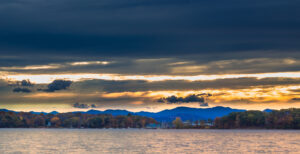
Mapping the route included a stop to visit my sister and husband to a tiny town outside of Albany for a sweet reunion after 15 months of zoom, facetime, group chats, and phone calls. The weather forced us to pull out our down jackets first night, a great start. My New Yorker brother-in-law thoughtfully routed us upstate to the ferry that would carry us across the majestic Lake Chaplain from the quaint (so it begins) town of Essex. The day carried clear and crisp skies, lake, hills and us to parts almost uninhabited as we forgot DC and its emerging beltway. Like the cicadas we left behind, we emerged.
The town of Vergennes reflected glossy calendars, allowing us to step onto Main Street, cross the powerful waters of the Vergennes Falls, and walk along its old mill path. We found a favorite eatery in 3 Squares Café, serving up some of Vermont’s iconic plates: seasonal fruit, hearty homemade breads, clever soups, grains and greens, fresh eggs, local cheeses, smoothies, quantity and quality, all with a smile! Whoops, I forgot my mask, of which I was reminded more than once, despite the governor’s lifting of the mask mandate. So THIS is how they did it!
In Burlington I hoped for a Bernie sighting, who was, no doubt, tirelessly working for us all back home. I suggested to the curators at the Montpelier’s Vermont History Museum that they should already have a Bernie floor. We learned about the industriousness of the Vermont people including the kingdom folk, and their wood piles demonstrated it. Prepared was two-winter’s worth at the ready. We found our shining example in the small town of Moretown when we drove across the bridge to Mary’s house, feeling the Mad River gorging below. A string of prayer flags straddled the river, an image that connected us to family in India, still so very far away. Mary thrived alone in her private dell protected by multi-story high rock walls creating a sanctuary shrouded in shade with a screened-in bug box large enough to house her double bed. Mary raised three children just yards from the raging gorge, pointing out her motherly fears then. Mary’s home revealed resourcefulness with aplomb that rivaled the hamlets in the hills of India’s Himalayas, including an intimate yoga studio giving us access to our bed, bath and balcony! Our stay enhanced our appreciation for Vermont with great respect for the people who get things done. She embodied this by tending her garden, searching for her cat, stacking more wood, planting flowers in the shade, schooling us on composting, and coffee with a friend—all before heading off to Burlington’s hospital to care for the sick, as she has done throughout the pandemic and for the previous 42 years! In Mary and so many like her, we found the resilience, intelligence and persistence to ward off the deathly virus better than most throughout the country; after all, winter was coming!
Julia Gillern loves to travel now that she is retired from shaping the minds of her students.
 Before knowledge of the deadly pandemic, I gave notice to retire as high school English teacher after 24 years in the classroom. Since the pandemic’s abrupt decision to end that role, I had three months of remote learning experience which helped to seal the deal. June came as I faced quarantine, retirement, limited summer vacation, and sidelined from the revolution I so wanted to join. I honored the quarantine, thankful that I could, knowing that I was entering a nofly summer. I acknowledged my retirement as the new school year approached, wrapped in its remoteness, without me, and ventured out on one last “summer vacation.”
 In a sargassan depth, the selective memories of travel’s discomforts cease to bubble and quietly sink to the mud opening the mind to the pleasures of the new, the discoveries, the escape. Planning the excitements for a body in motion (the savannas of Florida once left safely behind) and seeing hills become mountains, regales with small thrills.
 Many retirees live to travel, but we are not among them. Why not?
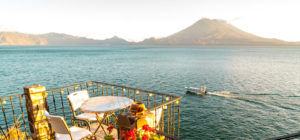 A guest at my posada barely touched her breakfast. When I asked, she held her stomach—a familiar complaint due to strange flora in a new food chain.
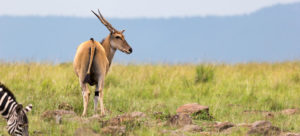 I gave over control, to Wendy the Thompson’s Tour guide for their trip into the Drakenburg mountains out of Durban South Africa. As we tooled up and around lush green mountains dotted with cattle and tourist lodges, I looked up San Cave Paintings on my iPad. One of the paintings portrayed stick-figure Bushmen-hunters attacking a cow-sized antelope—an Eland. It reminded me of football—the Xs and Os of primitive man’s playbook for winning the big game.